
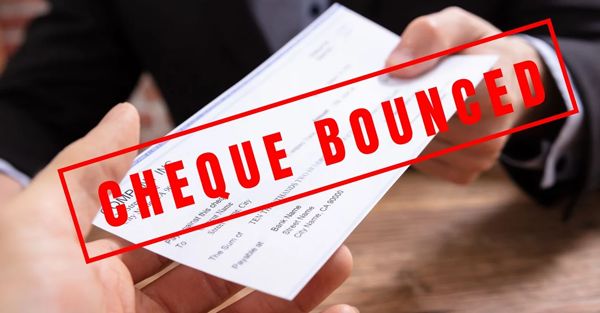
A cheque is one of the most commonly used instruments for making payments in business and personal transactions. However, when a cheque is returned unpaid by the bank, it may create financial, legal, and commercial complications. A cheque bounce can occur for several reasons, including insufficient funds, account-related issues, signature discrepancies, payment instructions, or other banking irregularities.
In India, cheque dishonour is primarily governed by the Negotiable Instruments Act, 1881, particularly Section 138, which provides a legal framework for certain cases involving dishonour of cheques issued towards legally enforceable debts or liabilities. Understanding the applicable procedure, timelines, documentation, and legal remedies is important for both cheque holders and cheque issuers.
What Is Cheque Bounce?
A cheque bounce, also known as cheque dishonour, occurs when a bank returns a cheque without making the payment to the payee. The bank generally provides a return memo mentioning the reason for dishonour.
Common reasons may include:
- Insufficient funds in the account
- Account closed
- Payment stopped by the drawer
- Signature mismatch
- Exceeds arrangement
- Account frozen or blocked
- Irregularities in the cheque
- Other banking or technical reasons
The legal consequences can depend on the reason for dishonour and the circumstances surrounding the transaction.
Section 138 of the Negotiable Instruments Act
Section 138 of the Negotiable Instruments Act, 1881 deals with dishonour of cheques in specified circumstances. Where the statutory requirements are satisfied, cheque dishonour may result in criminal proceedings.
Generally, the cheque must have been issued for the discharge, wholly or partly, of a legally enforceable debt or other liability. A mere dishonour of every cheque does not automatically establish liability under Section 138; the statutory conditions and facts of the particular transaction are relevant.
Cheque Bounce Legal Notice
After receiving information from the bank regarding dishonour, the payee or holder in due course may issue a statutory demand notice to the drawer, subject to the requirements of applicable law.
The notice generally demands payment of the cheque amount within the prescribed statutory period. It should contain accurate details concerning the cheque, transaction, dishonour, and payment demand.
A properly prepared legal notice can be an important part of the statutory process and should be issued within the applicable limitation period.
Importance of Timelines
Cheque bounce matters involve specific statutory timelines. Missing a prescribed deadline can affect the ability to initiate proceedings under Section 138.
The relevant process generally involves:
- Presentation of the cheque within its validity period.
- Receiving information from the bank regarding dishonour.
- Issuing the statutory demand notice within the prescribed period.
- Providing the drawer the legally prescribed opportunity to make payment.
- Initiating the complaint within the applicable limitation period if payment is not made.
Because limitation requirements can be technical, parties should maintain all bank records, return memos, notices, postal receipts, and related documents carefully.
Legal Notice for Cheque Dishonour
A cheque bounce notice generally identifies the parties and provides relevant details such as:
- Cheque number
- Date of cheque
- Amount
- Bank details
- Date of presentation
- Date of dishonour
- Reason stated in the bank return memo
- Underlying transaction or liability
- Demand for payment
The exact contents should depend on the facts and applicable legal requirements. Incorrect or incomplete information can create unnecessary complications.
Filing a Cheque Bounce Complaint
If the drawer does not make payment within the prescribed statutory period after receiving the demand notice, the payee may have the right to initiate proceedings under Section 138, provided all legal requirements are satisfied.
The complaint is filed before the court having appropriate territorial and statutory jurisdiction. The complainant generally needs to provide relevant documents supporting the cheque transaction and dishonour.
Important documents may include:
- Original cheque or legally acceptable record
- Bank return memo
- Copy of legal notice
- Proof of dispatch and delivery
- Relevant agreements or invoices
- Account statements
- Correspondence between the parties
- Documents establishing the underlying transaction
Presumptions Under the Law
The Negotiable Instruments Act contains statutory presumptions concerning negotiable instruments and consideration in specified circumstances. These presumptions can become important during cheque dishonour proceedings.
However, the existence and operation of such presumptions must be considered alongside the evidence and circumstances of the individual case. Both parties may have legal rights to present their respective evidence and defences.
Defences in Cheque Bounce Cases
A cheque issuer may have various legal defences depending on the facts. These can include disputes regarding the existence of a legally enforceable debt, circumstances surrounding issuance of the cheque, payment already made, material alteration, or other legally relevant issues.
The appropriate defence depends on the evidence and circumstances of each matter. Merely claiming that a cheque was issued as security, for example, does not by itself resolve every Section 138 dispute; courts examine the actual nature and circumstances of the transaction.
Importance for Businesses
Cheque-related disputes can significantly affect business relationships and cash flow. Companies should maintain proper documentation for loans, invoices, advances, security arrangements, settlements, and other transactions involving cheques.
Businesses can reduce potential disputes by maintaining:
- Written agreements
- Proper invoices
- Payment records
- Bank statements
- Cheque details
- Correspondence
- Settlement documents
- Acknowledgements of outstanding amounts
Clear documentation can help establish the commercial background of a transaction if a dispute arises.
Role of a Cheque Bounce Lawyer
A lawyer handling cheque dishonour matters can assist with reviewing the transaction, examining bank records, preparing statutory notices, assessing limitation periods, preparing complaints or replies, and representing the client during proceedings.
Legal assistance may be useful for both complainants seeking recovery and accused persons responding to cheque dishonour allegations.
Civil and Criminal Remedies
Cheque dishonour proceedings under Section 138 have a criminal-law component, but the underlying financial dispute may also involve civil remedies depending on the circumstances.
The appropriate legal strategy can depend on the nature of the debt, contractual terms, available evidence, limitation, and relief being sought. A legal professional can assess which remedies may be applicable in a particular case.
How to Respond to a Cheque Bounce Notice
A person receiving a cheque bounce notice should not ignore it. The recipient should carefully examine the cheque, transaction, bank return memo, payment history, and claims made in the notice.
Depending on the circumstances, a response may address factual inaccuracies, disputed liability, payments already made, or other legally relevant issues. Professional legal advice can help determine an appropriate response within the applicable timeframe.
Conclusion
Cheque bounce matters require careful attention to statutory requirements, documentation, evidence, and limitation periods. Section 138 of the Negotiable Instruments Act provides a legal mechanism for dealing with certain instances of cheque dishonour where the required conditions are fulfilled.
Whether you are a business owner, creditor, cheque issuer, or individual involved in a payment dispute, understanding the legal process can help you respond appropriately. Proper documentation, timely action, and professional legal guidance can be important when dealing with cheque dishonour disputes and related proceedings.
